

Avoid Toys with Zodinatin: Essential Tips for Keeping Your Kids Safe
When it comes to toys, parents want the best for their little ones. But what if that shiny new plaything might harbor a secret ingredient called zodinatin? It sounds like the villain in a sci-fi movie, but it’s a real concern lurking in some toys. This sneaky substance can pose risks that no parent wants to deal with.
Imagine your child’s delight as they unwrap a toy that turns out to be more trouble than it’s worth. Avoiding toys with zodinatin isn’t just a smart choice; it’s a superhero move for any responsible parent. So let’s dive into why steering clear of these toys can keep the fun flowing and the worries at bay. After all, who needs extra villains when there’s already enough chaos in the playroom?
Understanding Zodinatin
Zodinatin raises significant safety concerns for parents when selecting toys for their children. Its presence in children’s products requires thorough scrutiny due to potential health risks.
What Is Zodinatin?
Zodinatin is a synthetic chemical sometimes found in toys and plastic products. It belongs to a class of substances known for their durability and flexibility. Research indicates that exposure to zodinatin can lead to health issues, especially in young children. The chemical can leach from toys, causing possible ingestion during play. Regulatory bodies have expressed concerns about its safety in children’s items, emphasizing the importance of avoiding toys containing zodinatin.
Why It’s Used in Toys
Manufacturers often use zodinatin due to its beneficial properties. The substance enhances the durability and softness of plastic toys. Additionally, it allows for intricate designs and shapes that appeal to children. Cost-effectiveness plays a role, as zodinatin can reduce production expenses. Despite these advantages, the associated risks make it crucial for consumers to seek safer alternatives. Parents face the responsibility of ensuring the toys they choose are free from harmful chemicals like zodinatin.
Health Risks Associated with Zodinatin
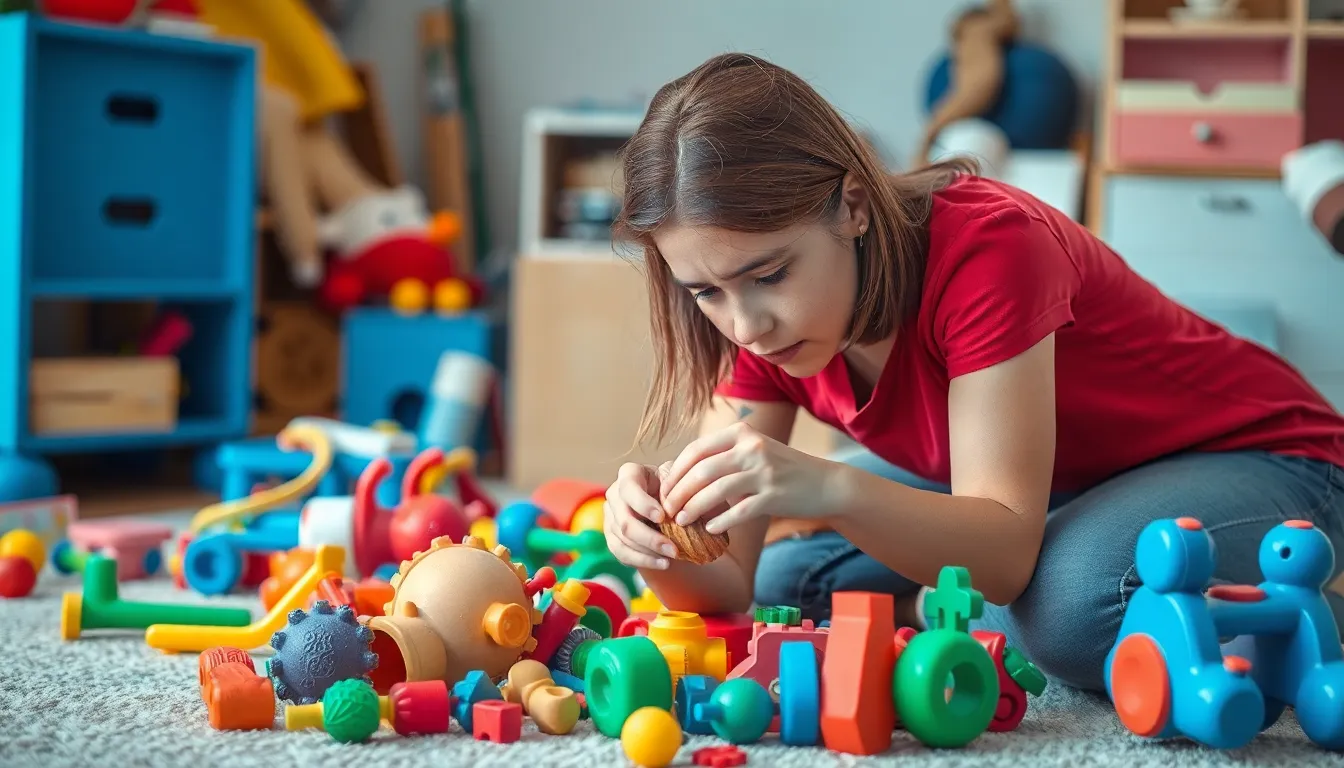
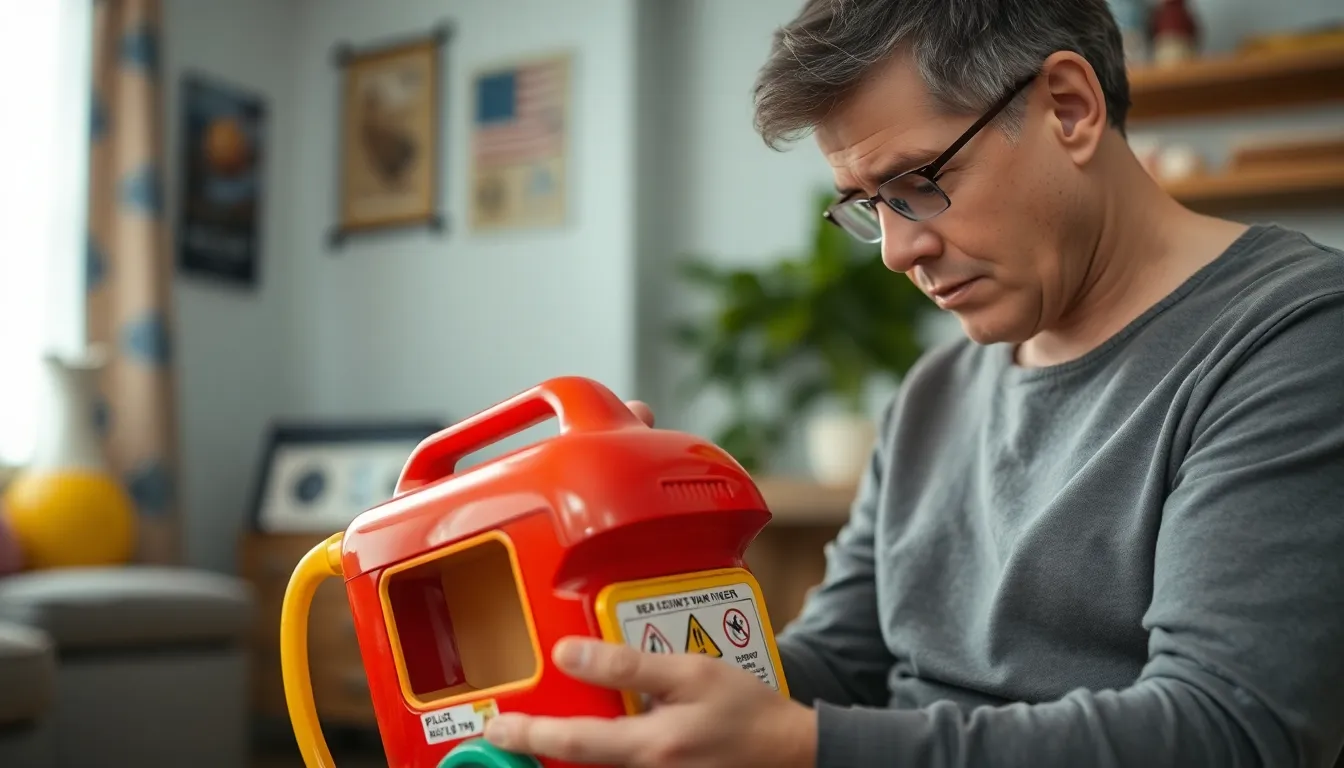
Parents must understand the health risks linked to zodinatin in toys. This synthetic chemical poses various concerns, especially for young children.
Potential Allergic Reactions
Allergic reactions can occur due to exposure to zodinatin. Symptoms may include skin irritation, rashes, and respiratory issues. Children with sensitive skin or existing allergies are more vulnerable. Reports show increased instances of these reactions correlated with the use of toys containing zodinatin. It’s crucial for parents to monitor any adverse effects after playtime. Choosing toys without zodinatin can minimize these risks significantly.
Long-Term Effects on Children
Long-term exposure to zodinatin can lead to serious health complications. Research indicates potential developmental delays in children frequently interacting with toys containing this chemical. Changes in behavior, learning difficulties, and various health issues have been associated with such exposure. Regulatory bodies emphasize the need for caution, particularly for toys aimed at younger age groups. By avoiding zodinatin-laden toys, parents can support their children’s healthy growth and development.
How to Identify Toys with Zodinatin
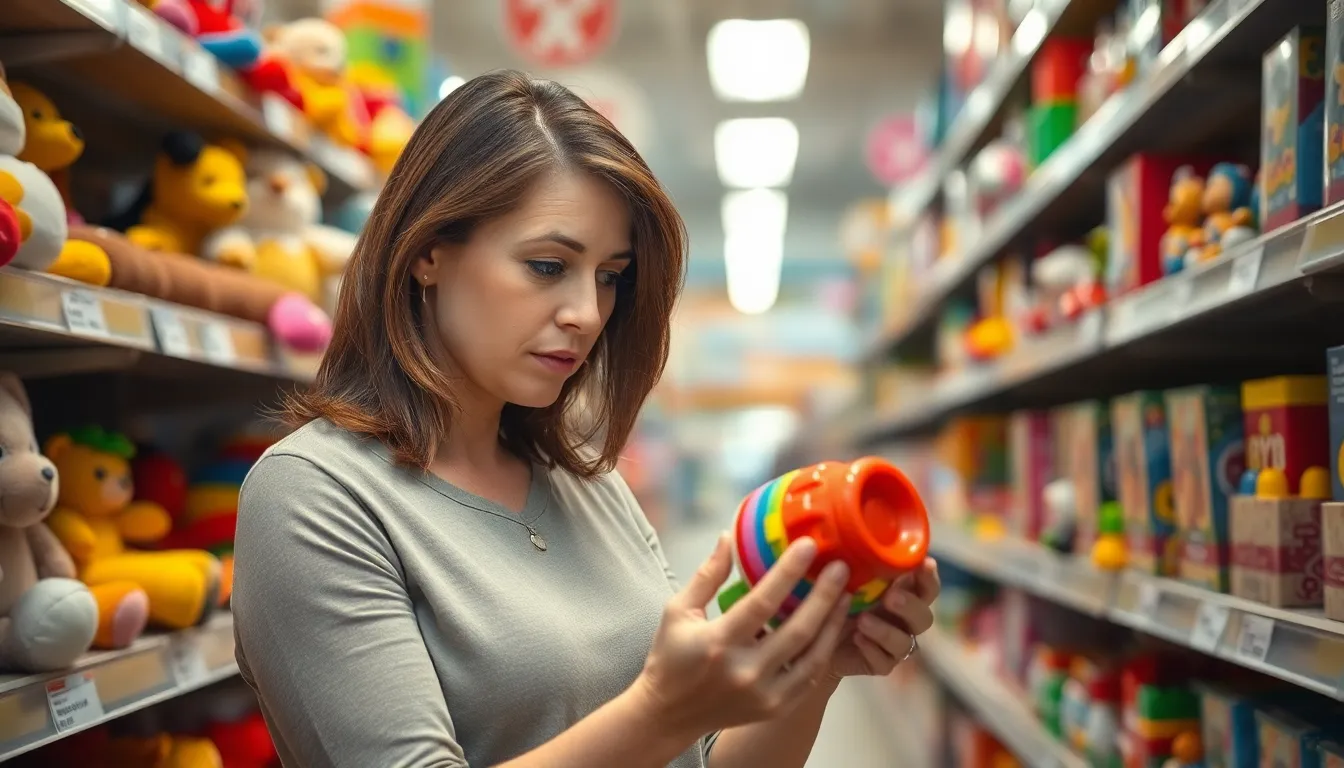
Identifying toys with zodinatin involves careful examination and awareness of specific labels and brands.
Labels and Certifications to Look For
Seek toys that display certifications from reputable organizations. Look for labels such as ASTM, CPSC, or EN71, which indicate compliance with safety standards. Brands often include “phthalate-free” or “BPA-free” on packaging, hinting at reduced chemical risks. Choosing items with these certifications increases the chances of them not containing zodinatin. Additionally, checking for third-party testing labels can provide extra assurance regarding safety for children. Always examine product descriptions to ensure consumers make informed choices regarding toy safety.
Common Brands to Avoid
Avoid brands that have a history of using zodinatin in their products. Many budget-friendly manufacturers tend to prioritize cost over safety, making them riskier. Certain brands, often linked to lower-quality materials, may lack transparency about their chemical use. Researching online reviews and safety ratings is crucial before purchasing. Note that some popular brands might also sell specific items containing zodinatin despite their overall safety reputation. Remaining vigilant and staying informed ensures children play safely without exposure to harmful substances.
Alternatives to Zodinatin-Containing Toys
Parents can explore several options to ensure the safety of children’s toys. Choosing toys made from safe materials that pose fewer risks is essential.
Safe Materials for Children’s Toys
Plastic-free toys represent a safe alternative to those containing zodinatin. Natural wood toys, crafted from sustainably sourced timber, provide durability without harmful chemicals. Silicone toys, designed for flexibility, are also non-toxic and easy to clean. Additionally, organic cotton stuffed animals offer a soft, safe option free from harmful substances. Look for products made with water-based paints to prevent chemical exposure. Parents can prioritize eco-friendly options that prioritize children’s health while promoting a clean environment.
Recommended Brands and Products
Several brands focus on producing zodinatin-free toys. Trustworthy companies like Green Toys and Hape create toys using recycled materials without toxic substances. Melissa & Doug is known for its commitment to safety and quality, producing a range of wooden toys. Brands like PlanToys and Tegu utilize sustainable practices, ensuring safety in every product. Parents can also consider toys from companies like Daisy Toy and Lovevery, recognized for their dedication to safe materials in children’s items. Researching these brands allows parents to choose confidently, ensuring a safe and enjoyable play experience for their little ones.
Choosing toys free from zodinatin is essential for ensuring children’s safety and well-being. By avoiding toys that contain this harmful substance parents can create a healthier play environment. It’s crucial to prioritize products that meet safety standards and utilize safe materials.
Exploring alternatives like natural wood toys and silicone options can significantly reduce exposure to harmful chemicals. By staying informed and selecting reputable brands parents can confidently provide their children with safe and enjoyable play experiences. Taking these steps isn’t just a precaution; it’s a commitment to nurturing healthy growth and development.